



| Elizabeth Zipporah Akol
Stories passed down by our forefathers about different mechanisms used to “punish” women were slowly absorbed and normalized by later generations. Only recently have these practices been openly exposed for what they truly are, harmful acts that violate women’s rights and amount to gender-based violence.
As of February 2025, reports indicate that at least 44.94% of women have experienced at least one form of gender-based violence with prevalence varying from country to country. In many cases, abuse is most common within intimate partnerships. Beyond this, a 2025 WHO report estimates that 263 million women have experienced non‑partner sexual violence since the age of 15..
As alarming as these statistics are, a newer and rapidly evolving form of abuse has emerged alongside technological advancement, known as Technology-Facilitated Gender-Based Violence. TFGBV has risen sharply in recent years, posing a serious threat to the safety, dignity, and well-being of women and girls worldwide. While there is often pressure to maintain digital visibility, whether through activism, awareness campaigns, professional networking, or the need to prove oneself to “assumed haters,” the negative consequences of online exposure are frequently downplayed.
In Uganda, digital connectivity is growing quickly, where early 2025 figures show roughly 14.2 million Ugandans using the internet, representing around 28% of the population up from previous years as mobile access expands. However, between June and July 2025, TikTok was ranked among the most widely used platforms in Uganda and also identified as one of the most toxic online spaces, a simple reminder that social platforms can amplify harm as much as connection.
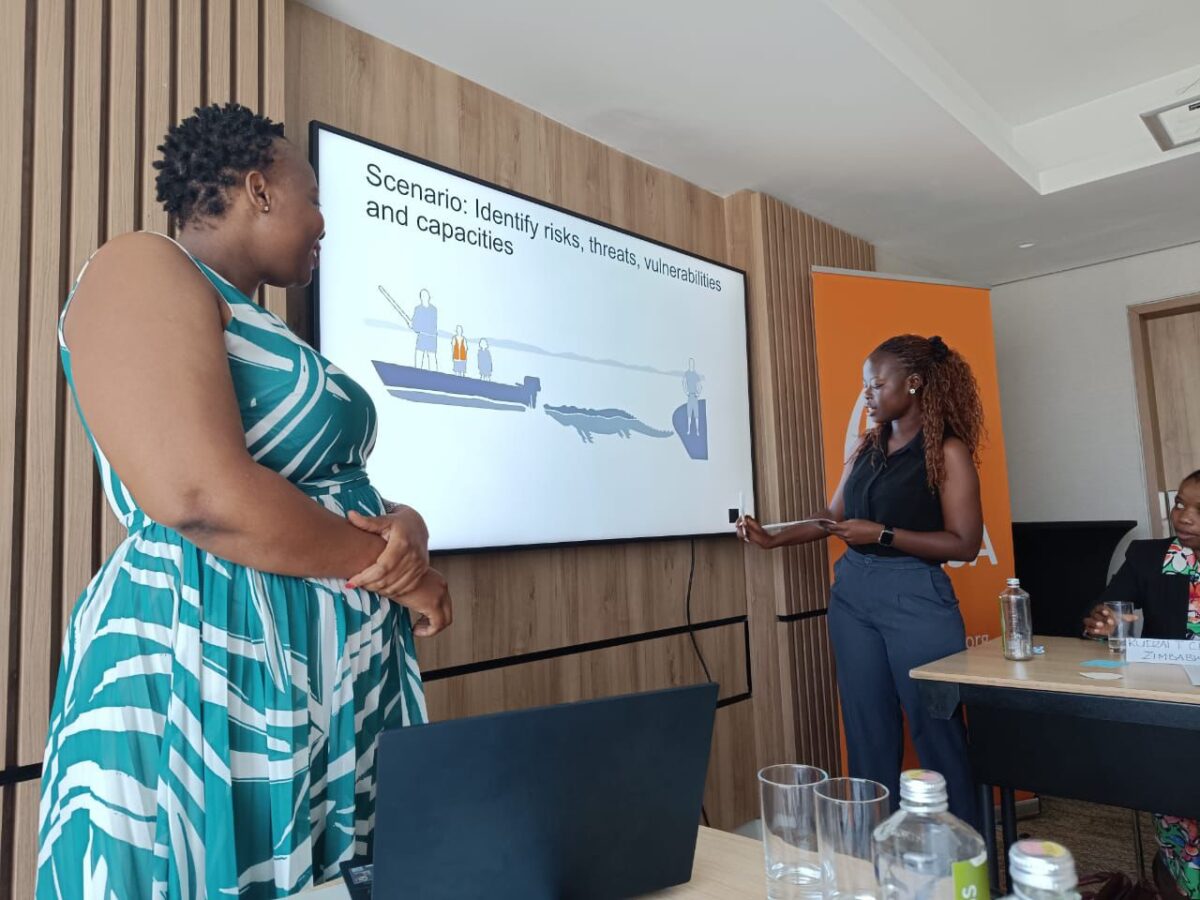
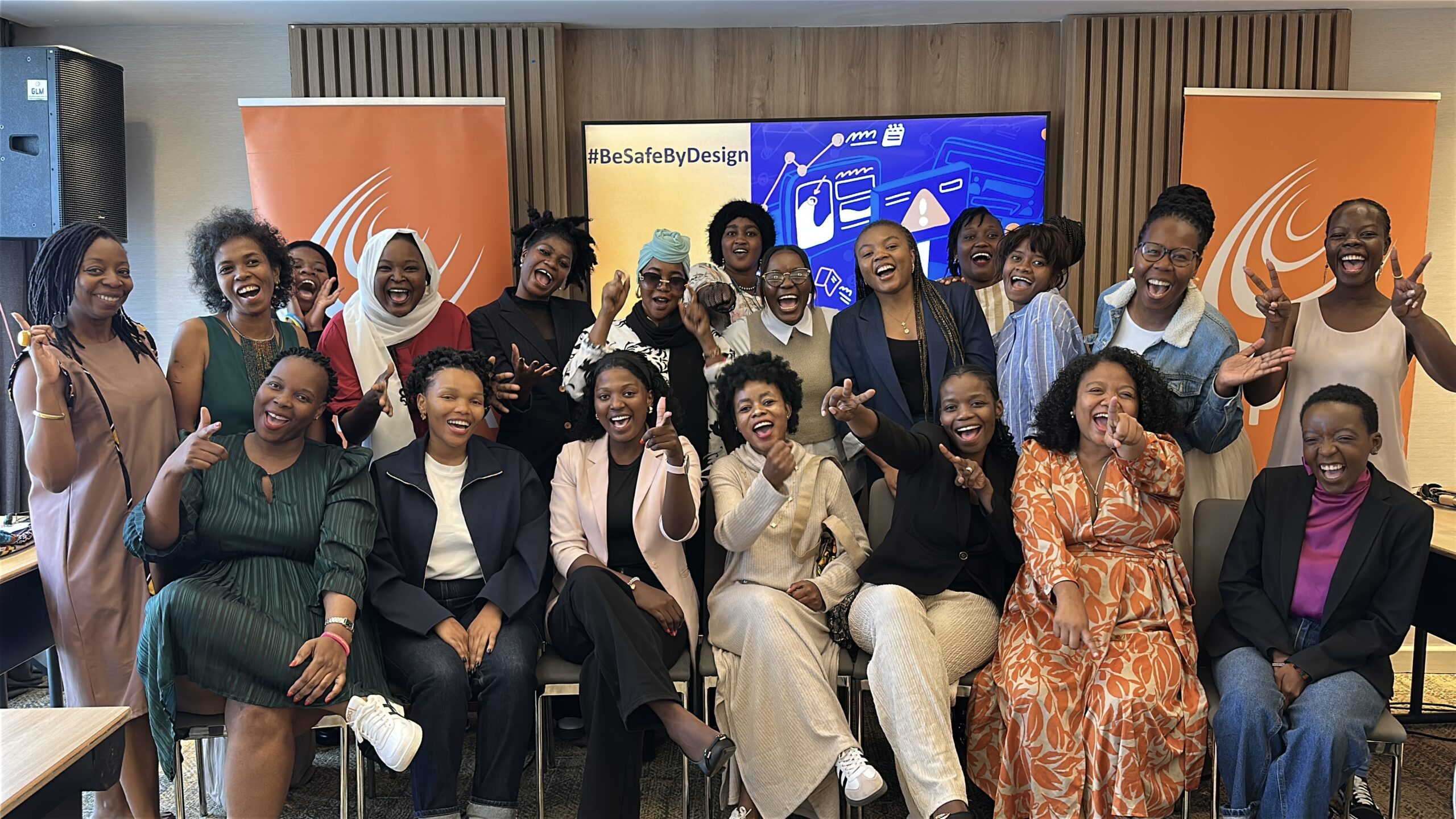
In commemoration of the 16 Days of Activism Against Gender-Based Violence, and under the theme “Unite to End Digital Violence Against Women and Girls,” representatives from Base Iota Foundation participated in a three-day skill-sharing workshop organized by CIPESA. The workshop focused on equipping women human rights defenders, journalists, and activists with practical digital security measures to protect themselves, while also enabling them to transfer this knowledge to individuals and communities at risk of technology-facilitated GBV.
Throughout the workshop interactions, one issue became clear, TFGBV has been widely normalized in many African countries. Victims are often blamed rather than supported, authorities provide little to no response, and survivors span human rights defenders, journalists, political leaders, and young girls who are increasingly eager to engage in digital spaces. This raises a critical question, does the law recognize and protect the thousands of less-privileged users who face abuse daily? And more importantly, who will stand up for marginalized communities in the fight against TFGBV?
Further, the workshop made one thing clear, as contributors to the well-being of society, we all have a role to play in reversing the rising tide of technology-facilitated GBV. At Base Iota Foundation, we are doubling down on our commitment to this fight. We will,
- Raise awareness on what TFGBV looks like and how to identify it early.
- Localize digital safety knowledge so that even communities with limited access can protect themselves.
- Equip grassroots groups with tools and confidence to demand accountability online and offline.
- Partner with advocates, legal defenders, and tech stakeholders to push for stronger protective frameworks.
Today’s digital world should be fertile ground for empowerment, not another arena where women and girls are preyed upon or silenced. The Base Iota Foundation calls on allies, policymakers, and every online citizen to stand with us: speak up, educate, and act. TFGBV won’t end on its own but together, we can stop the harm and safeguard the next generation before more voices are lost to silence.